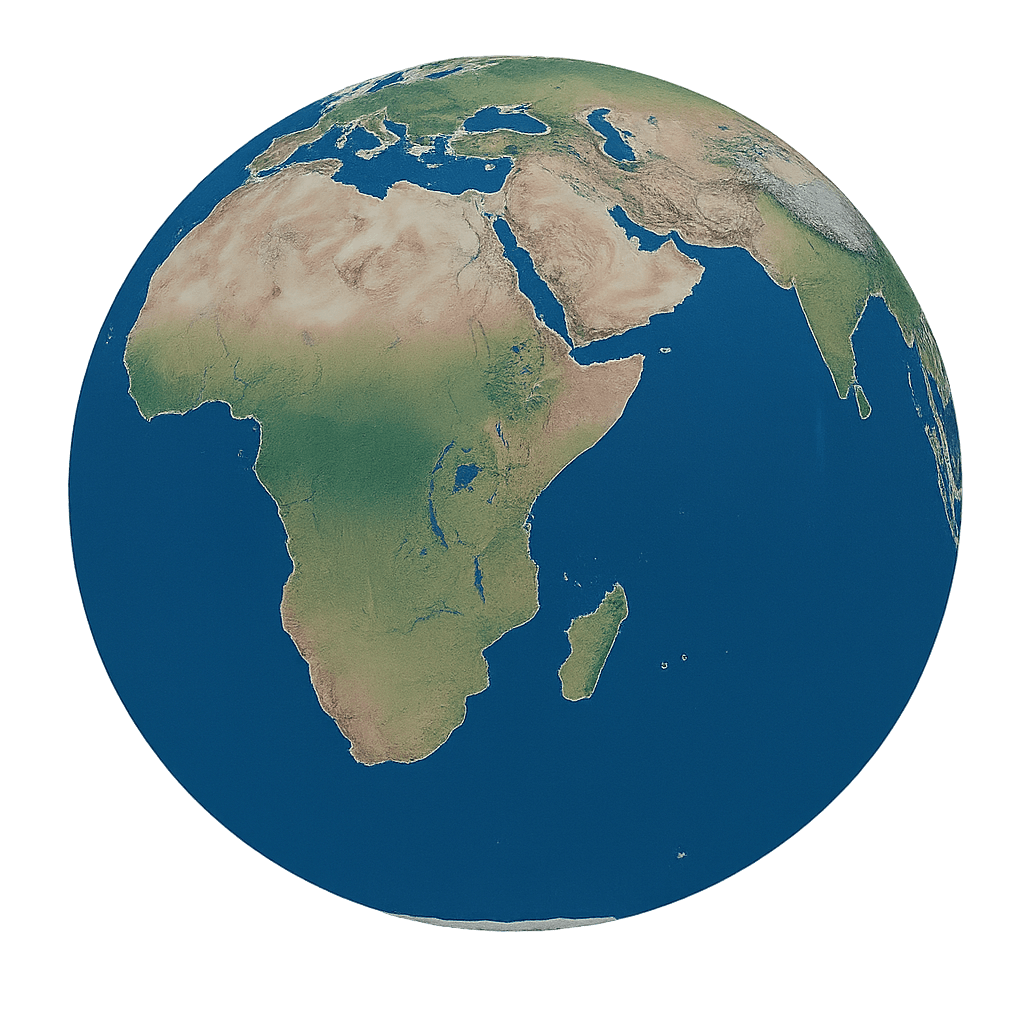
AGP Executive Report
Last update: 3 hours agoChild Health: Tajikistan, Uzbekistan and Kyrgyzstan are stepping up investment in children’s healthcare, with a focus on rural access, early diagnosis, stronger primary care and specialist services. Health System Funding: Tajikistan and the Asian Development Bank signed a $43.27 million grant to strengthen primary healthcare and prepare for cross-border health threats, including emerging infectious diseases. Medical Training: At the SCO meeting in Dushanbe, China offered to fund further training in China for 1,000 medical professionals from member countries, including Tajikistan.
Note: AI summary from news headlines; neutral sources weighted more to help reduce bias in the result. Feedback is welcome. Please let us know if you have any comments or suggestions about the AGP Executive Report.
 Perspectify News